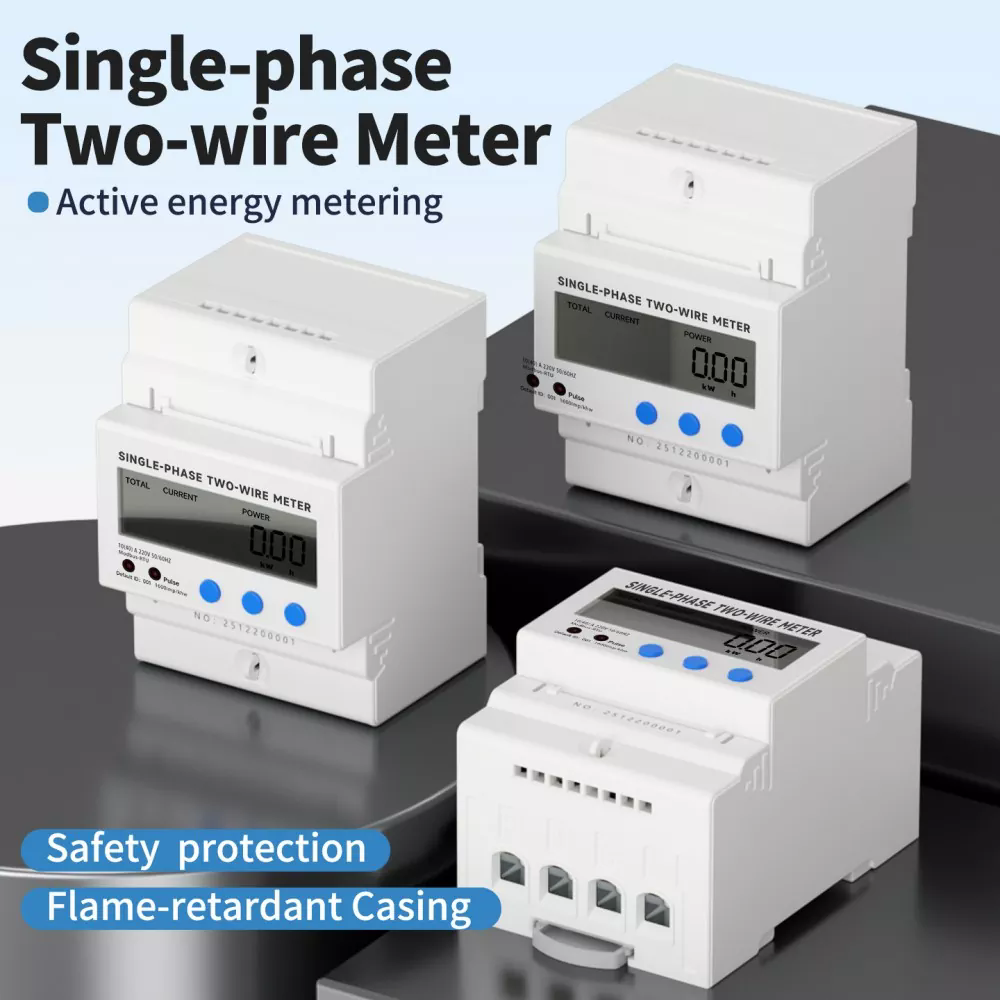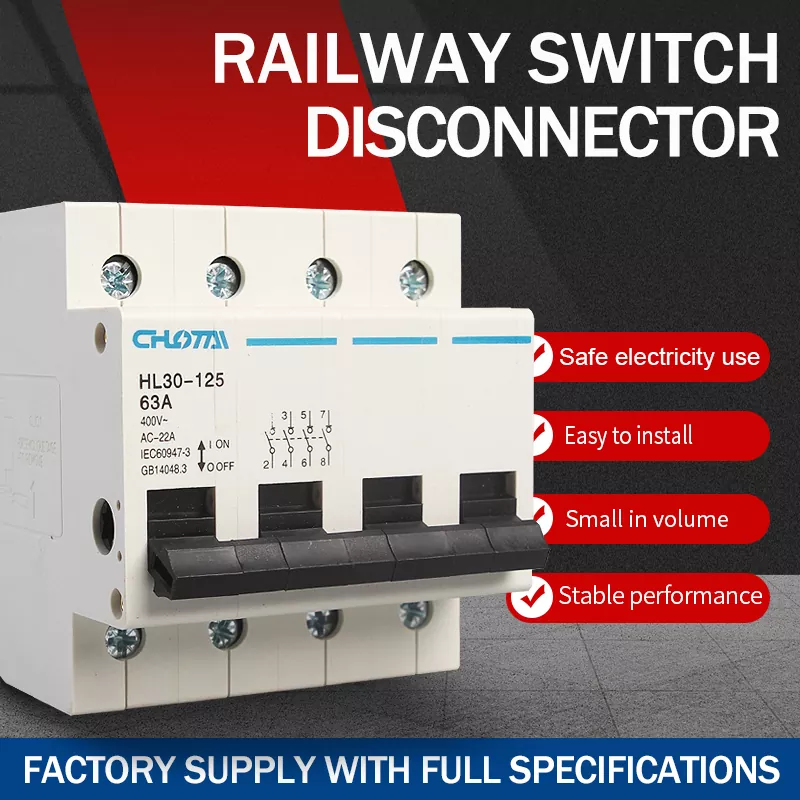

How to Choose a DIN Rail Energy Meter for Commercial and Industrial Projects?
Selecting a DIN rail energy meter involves more than checking the rated voltage or choosing a model that fits inside a distribution cabinet. For commercial buildings, industrial facilities, and electrical equipment manufacturers, the right meter should match the power system, measurement requirements, installation space, and any plans for remote monitoring.
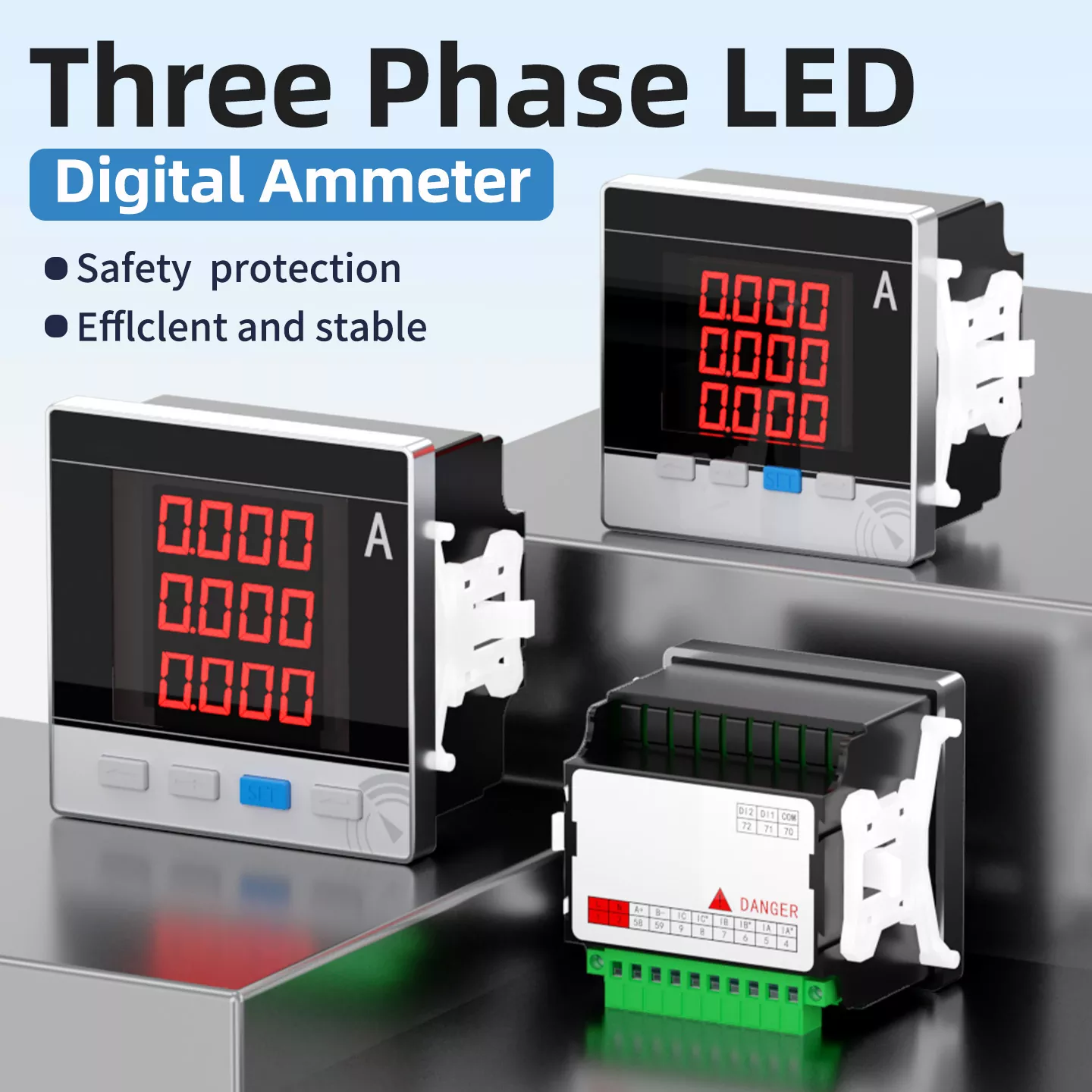
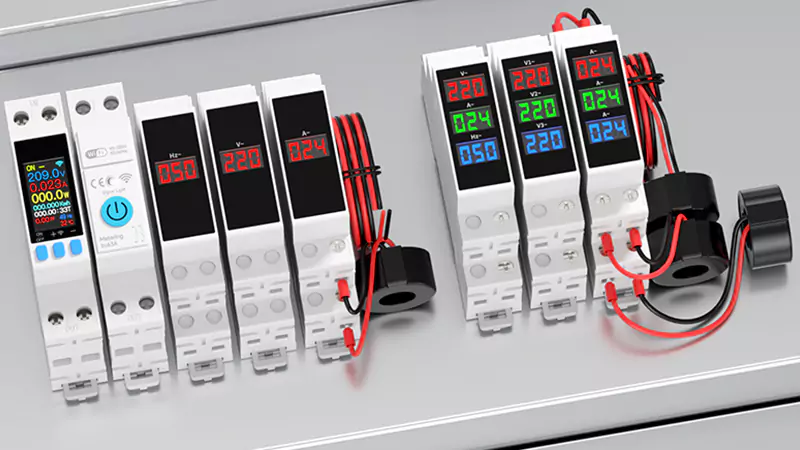
Eton Electric offers single-phase and three-phase rail-mounted measuring instruments for low-voltage power distribution and energy measurement. Its product range includes compact meters for single-phase circuits and three-phase models for applications that require broader electrical monitoring. Understanding the differences between these options can help project engineers, panel builders, and electrical equipment distributors make more informed purchasing decisions.
Why DIN Rail Energy Meters Are Used in Commercial and Industrial Projects
A DIN rail energy meter measures electricity consumption and, depending on the model, may also display voltage, current, power, frequency, or other electrical parameters. Its compact mounting structure allows it to be installed inside distribution boxes, switchboards, and control cabinets without requiring the same panel-cutout arrangement used by many conventional panel meters.
For commercial and industrial users, this design offers several practical advantages.
Efficient use of cabinet space
Space is often limited in distribution panels containing circuit breakers, contactors, protection devices, and other electrical components. A compact DIN rail meter can be integrated into the existing layout when sufficient rail space and wiring clearance are available.
Convenient circuit-level energy measurement
Separate meters can be installed on selected circuits to track electricity consumption by equipment, production areas, rental units, or commercial premises. This helps facility managers identify where energy is being used and compare consumption across different parts of a building or operation.
Simplified installation and maintenance
Standard DIN rail mounting makes the meter easier to position within compatible distribution equipment. The actual installation process still depends on the meter's terminal arrangement, rated current, wiring diagram, and applicable electrical regulations.
Support for energy monitoring systems
Some models provide communication interfaces for transmitting measurement data to external monitoring equipment. Where remote data collection is required, buyers should confirm the available interface, protocol, wiring method, and register configuration before ordering.
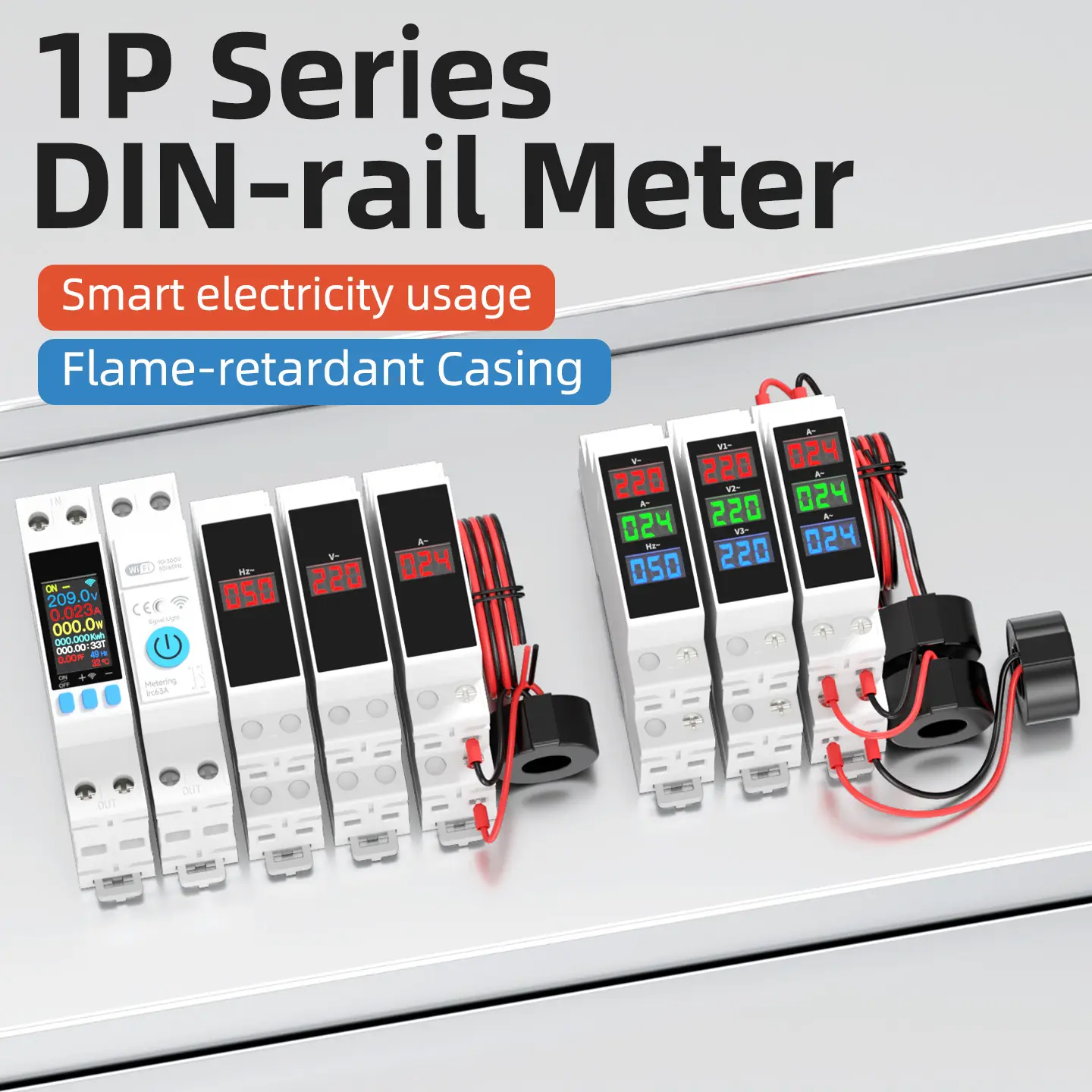
For projects that require compact energy measurement, Eton's Rail Mounted Measuring Instrument range provides a starting point for comparing suitable single-phase and three-phase models.
Single Phase vs. Three Phase DIN Rail Energy Meters
One of the first decisions is whether the meter should be used on a single-phase or three-phase electrical system. The correct choice depends on the actual supply arrangement and the circuit being measured, rather than simply the size of the building.
| Selection factor | Single-phase energy meter | Three-phase energy meter |
|---|---|---|
| Typical power system | Single-phase AC circuits | Three-phase AC circuits |
| Common applications | Shops, apartments, rental units, lighting circuits, and small equipment | Factories, commercial distribution panels, production equipment, and three-phase loads |
| Main consideration | Compatibility with the single-phase supply and load | Compatibility with the three-phase wiring arrangement and load |
| Wiring requirements | Commonly phase and neutral, depending on the model | Three-phase three-wire or three-phase four-wire, depending on the model |
| Additional functions | Depend on the selected meter | Depend on the selected meter and connection method |
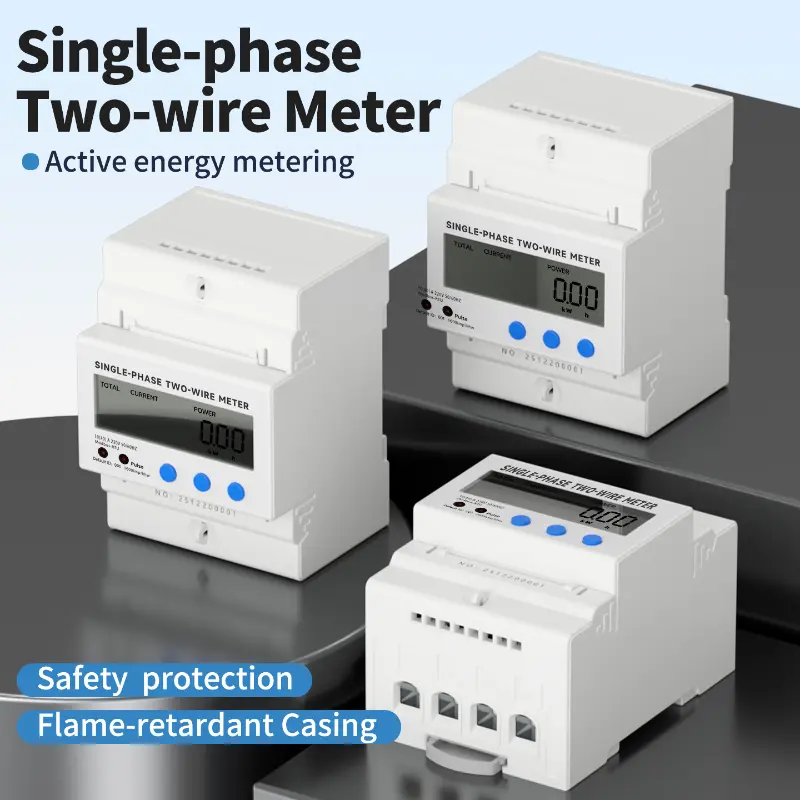
A single-phase meter is often appropriate for monitoring an individual shop, apartment, or single-phase equipment circuit. For example, a property manager may use separate meters to record electricity consumption for different rental units.
A three-phase meter is generally more appropriate when monitoring a three-phase distribution circuit or industrial equipment. A factory may use it to measure energy consumption at a production line, workshop distribution board, or other selected load.
However, a three-phase meter is not automatically suitable for every three-phase installation. The buyer must confirm whether the system uses a three-wire or four-wire configuration and whether the selected model supports direct connection or requires current transformers.
Eton's Single Phase Guide Rail Electricity Meter range is intended for single-phase measurement applications. For projects involving three-phase circuits, buyers can review the available models in the main rail-mounted instrument category.
5 Key Factors to Check Before Selecting a DIN Rail Energy Meter
1. Rated Voltage and Electrical System Compatibility
The meter's rated voltage must match the electrical system in which it will operate. Buyers should confirm the nominal supply voltage, frequency, number of phases, and wiring configuration before comparing individual models.
For international projects, this step is particularly important because electrical supply specifications and installation practices differ between markets.
Do not select a meter based solely on a product title or a general description. Review the rated input values and wiring diagram for the exact model to ensure compatibility with the intended installation.
2. Current Rating and Connection Method
The required current range is another important selection factor. Depending on the meter design, current may be measured through a direct connection or through an external current transformer (CT).
For a direct-connected meter, the expected load current must remain within the model's specified operating limits. For a transformer-connected meter, the CT ratio and secondary output must match the meter's input requirements.
For example, an industrial project monitoring a high-current feeder may require a CT-connected meter rather than a meter designed for direct current measurement.
When requesting a quotation, provide the expected operating current and clarify whether the application requires direct connection or CT-based measurement. This allows the supplier to recommend an appropriate configuration.
3. Measurement Accuracy and Required Parameters
Not every project requires the same level of measurement detail.
A basic energy-monitoring application may primarily need accumulated energy consumption in kilowatt-hours (kWh). Other projects may require voltage, current, active power, power factor, or frequency to help evaluate circuit operating conditions.
Measurement accuracy should be selected according to the project's requirements and the intended use of the data. Eton's rail-mounted instrument range includes models with stated accuracy classes of 1.0 or 0.5, depending on the product.
Before ordering, verify the accuracy class of the specific model rather than assuming that every meter in a product family has the same specification.
For applications involving billing, tenant allocation, or formal energy reporting, also check any applicable metering regulations and verification requirements in the destination market.
4. Display and Communication Requirements
The display determines how users read measurements locally, while communication functions determine whether data can be transferred to an external monitoring system.
For a standalone distribution box, a clearly readable local display may be sufficient. In a larger commercial building or industrial facility, remote monitoring may be more useful because operators can collect readings from multiple circuits at a central location.
Some Eton electrical measurement products support RS485 communication and Modbus protocols. Availability depends on the selected product and model, so these functions should be confirmed against the relevant technical documentation.
Before placing an order, check:
-
Whether a local display is required
-
Which electrical parameters must be displayed
-
Whether RS485 or another communication interface is needed
-
Whether the monitoring platform supports the meter's communication protocol
-
Whether register maps and configuration instructions are available
If a project requires remote monitoring, it is worth confirming communication compatibility during the quotation stage instead of discovering a mismatch after installation.
5. DIN Rail Dimensions and Installation Conditions
Even when two meters support the same electrical system, their dimensions, terminal positions, and installation requirements may differ.
Check the required DIN rail type, module width, cabinet depth, wiring clearance, operating temperature range, and enclosure conditions. The selected meter should fit the planned panel layout without interfering with adjacent circuit breakers or other components.
For projects involving multiple metering points, a consistent mounting format can also simplify panel design, assembly, and future replacement.
Eton's rail-mounted instruments use a standard DIN rail installation structure. Buyers should still confirm the dimensions and mounting details of the specific model before finalizing a panel layout.
Which DIN Rail Energy Meter Is Suitable for Your Application?
The following examples illustrate how application requirements influence product selection.
| Application | Main requirement | Selection direction |
|---|---|---|
| Retail shop or rental unit | Record electricity consumption for an individual circuit | Single-phase energy meter, if compatible with the supply |
| Commercial building distribution panel | Monitor selected single-phase and three-phase circuits | Select meters according to each circuit's supply configuration |
| Industrial production equipment | Measure energy consumption on a three-phase circuit | Three-phase meter with suitable current capacity and wiring compatibility |
| Factory energy monitoring project | Collect measurements from multiple distribution points | Consider suitable meters and, where required, compatible communication functions |
| Electrical panel manufacturing | Integrate meters into standardized cabinet designs | Compare dimensions, terminal layout, specifications, and supply requirements |
These examples are starting points rather than universal specifications. The final selection should be based on the electrical drawings, load characteristics, measurement objectives, and installation requirements of the project.
Why Consider Eton Electric for DIN Rail Energy Meter Sourcing?
For overseas distributors, electrical contractors, and equipment manufacturers, product selection is only one part of the procurement process. Consistent specifications, model availability, technical communication, and repeat-order coordination also matter.
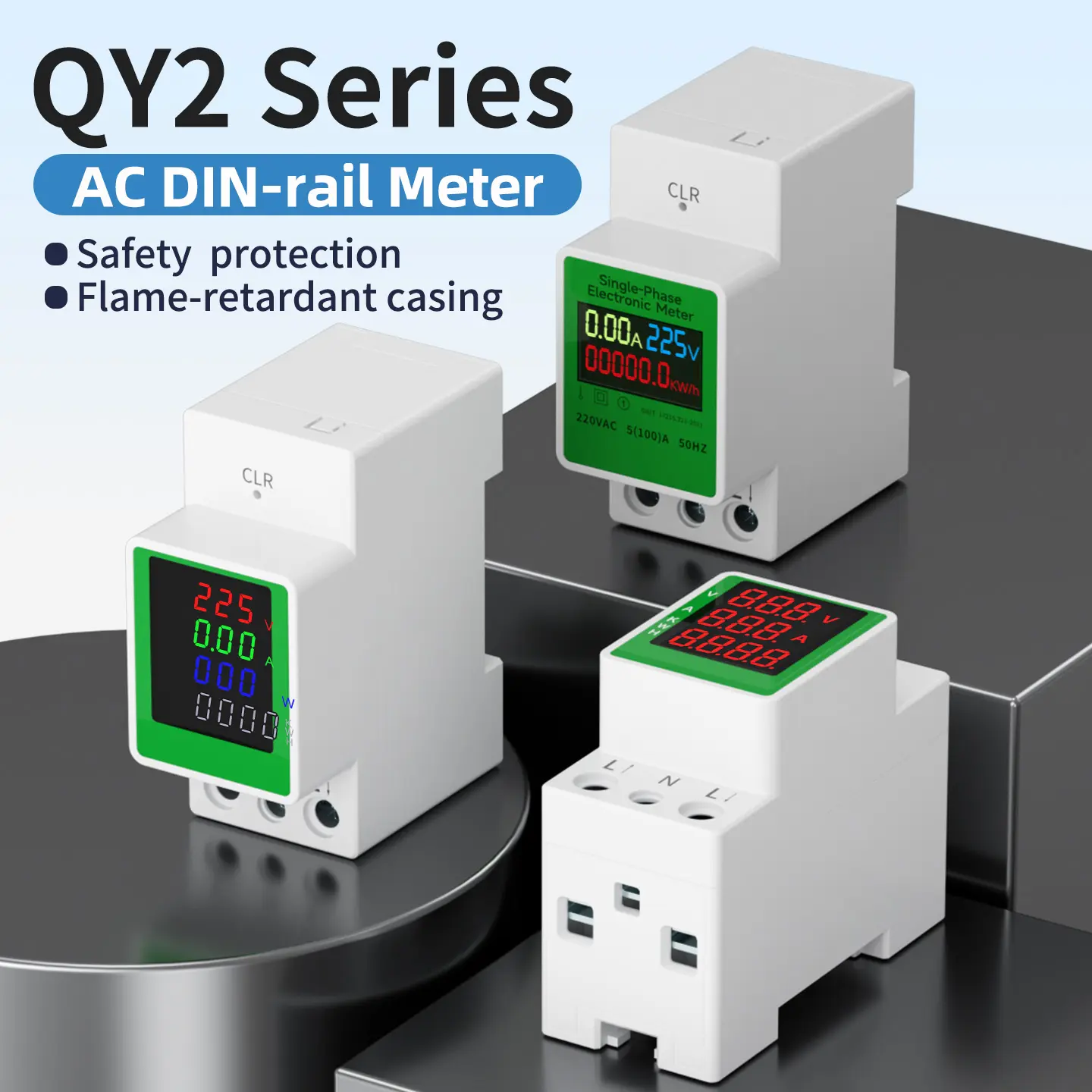
Eton Electric supplies rail-mounted measuring instruments covering single-phase and three-phase applications. Its product information includes models intended for energy measurement and broader electrical monitoring, allowing customers to compare different configurations within the same product category.
For B2B sourcing, Eton offers several points to discuss during the quotation process:
-
Product selection: Identify suitable models according to the supply voltage, current range, wiring configuration, and measurement requirements.
-
Specification confirmation: Review the technical parameters and installation details of the proposed model before placing an order.
-
Bulk procurement: Discuss quantities, packaging, delivery arrangements, and repeat-order requirements for wholesale or project orders.
-
OEM/ODM requirements: Confirm whether model-specific customization, labeling, or other requested arrangements are available for the intended order.
-
Technical support: Clarify wiring, communication, and integration requirements before the product is incorporated into a larger electrical system.
Customers can review Eton's rail-mounted measuring instruments and complete product range to identify suitable options.
What Information Should You Provide When Requesting a Quote?
A detailed inquiry helps reduce unnecessary exchanges and makes it easier to identify a suitable meter.
When contacting a supplier, include the following information wherever available:
-
Application: Commercial building, factory, distribution panel, rental metering, or another use.
-
Power system: Single-phase or three-phase, nominal voltage, frequency, and wiring configuration.
-
Current requirements: Expected operating current and whether direct connection or a current transformer is required.
-
Measurement functions: Energy consumption only or additional parameters such as voltage, current, power, and frequency.
-
Communication requirements: Whether remote monitoring, RS485, or Modbus compatibility is needed.
-
Installation requirements: DIN rail type, available space, and terminal or wiring preferences.
-
Order details: Estimated quantity, destination market, required delivery schedule, and any labeling or customization requirements.
If you already have a technical specification, wiring diagram, or reference model, include it with your inquiry. This provides a more reliable basis for product selection than requesting a meter by name alone.
To discuss model availability, technical specifications, or bulk purchasing, visit Eton Electric's Send Inquiry page and submit your project requirements.
Choosing the right DIN rail energy meter begins with a clear understanding of the electrical system and the information that needs to be measured. By confirming the supply configuration, current range, accuracy requirements, communication functions, and installation conditions before ordering, commercial and industrial customers can reduce selection errors and make procurement more efficient.
Related News
- How Can a Single Phase Guide Rail Electricity Meter Improve Energy Management Efficiency?
- How Does a Rail Mounted Measuring Instrument Improve Electrical Monitoring and Energy Management?
- How Does an LED Digital Display Instrument Enhance Your Electrical Systems?
- How to read the readings of a single-phase rail-mounted electricity meter
- How to adjust the parameters of a three-phase digital ammeter
Leave me a message