
How Does a Rail Mounted Measuring Instrument Improve Electrical Monitoring and Energy Management?
Article Summary:
In modern industrial, commercial, and infrastructure projects, accurate electrical measurement is essential for maintaining operational efficiency, reducing energy waste, and ensuring system reliability. A Rail Mounted Measuring Instrument provides real-time monitoring of electrical parameters while offering convenient installation within distribution panels and control cabinets. This article explores how these instruments work, their key advantages, application scenarios, selection criteria, and maintenance considerations, helping engineers, facility managers, and project owners make informed decisions.

Table of Contents
- What Is a Rail Mounted Measuring Instrument?
- Why Accurate Electrical Measurement Matters
- How Does a Rail Mounted Measuring Instrument Work?
- Key Benefits of Using Rail Mounted Measuring Instruments
- Common Applications
- Electrical Parameters That Can Be Monitored
- How to Choose the Right Instrument
- Comparison with Traditional Measuring Devices
- Maintenance and Best Practices
- Frequently Asked Questions
- Conclusion
What Is a Rail Mounted Measuring Instrument?
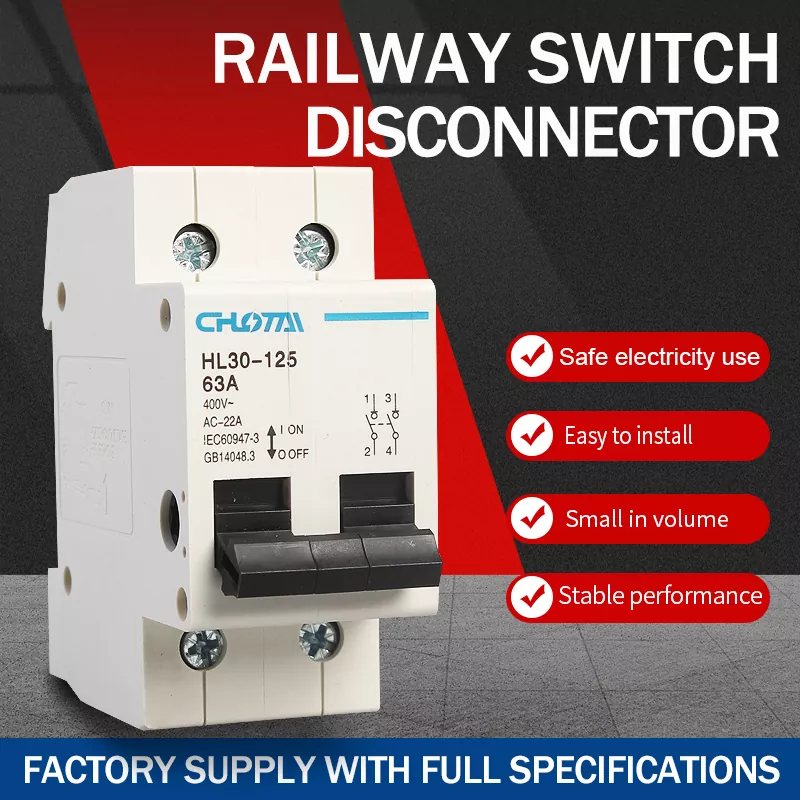
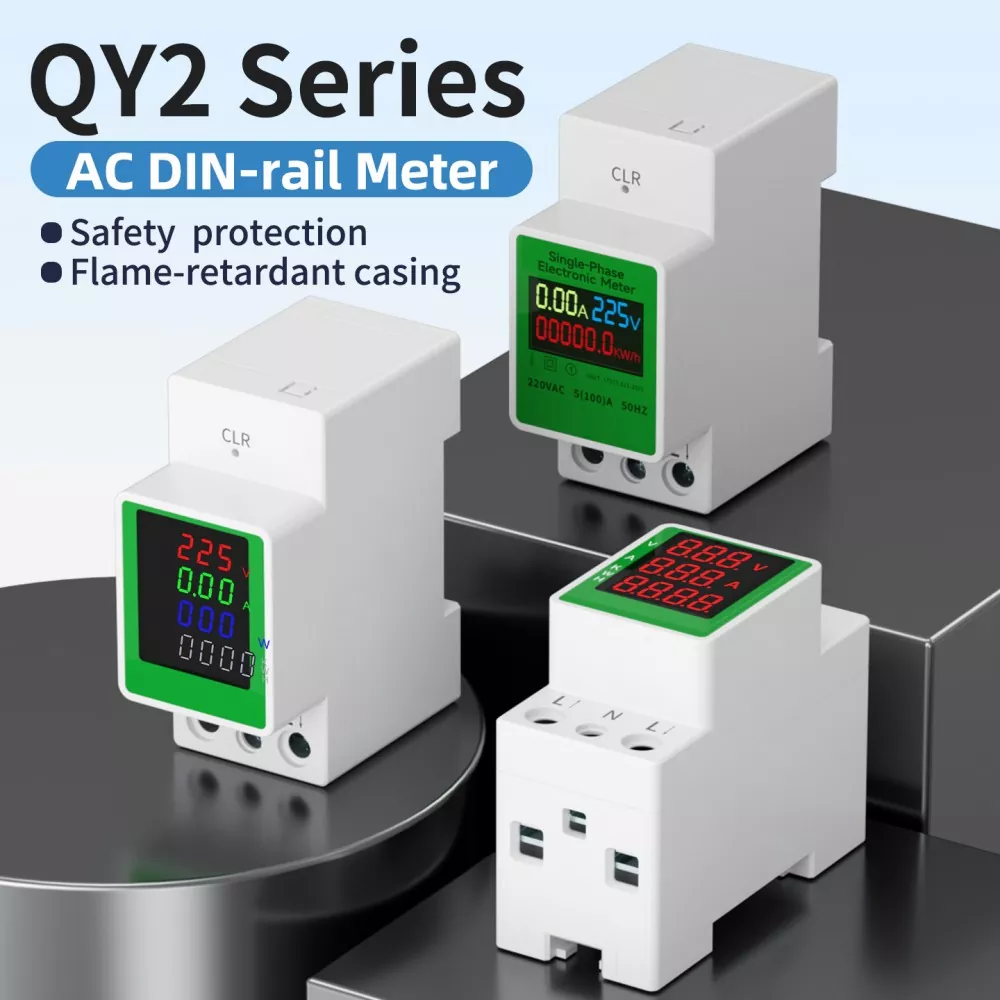
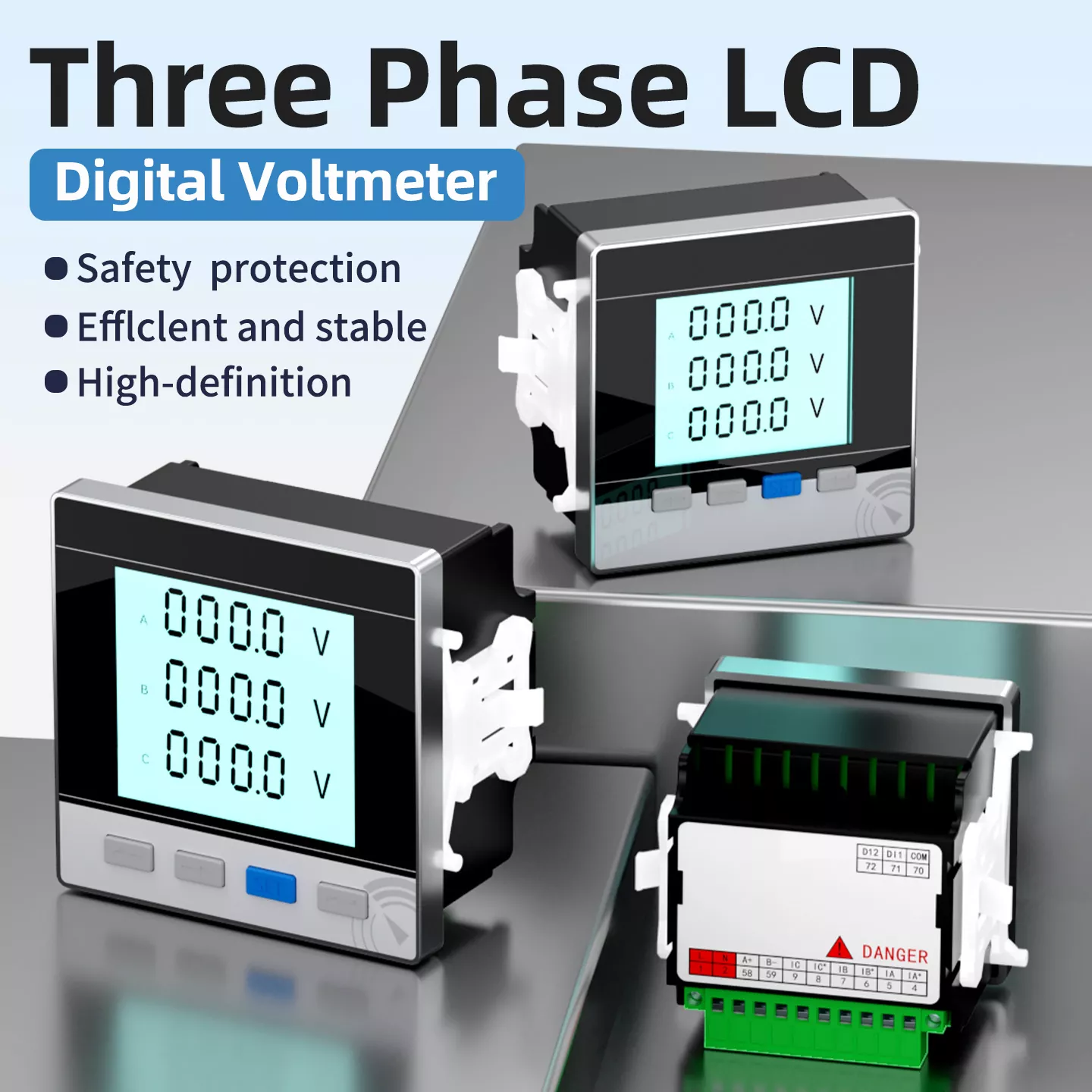
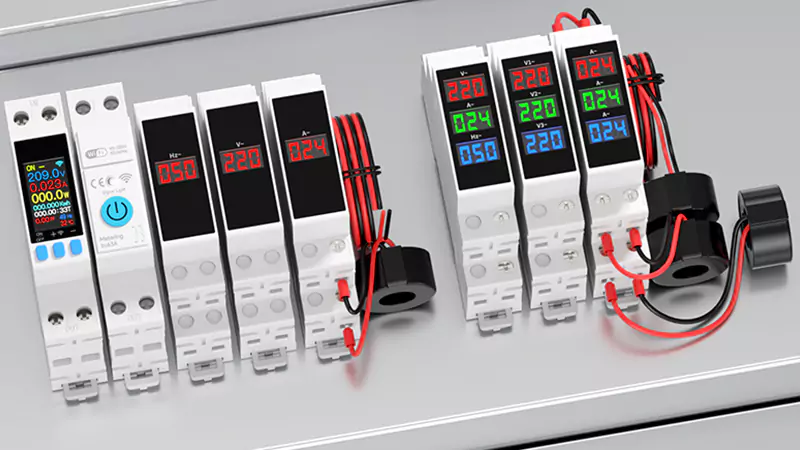
A Rail Mounted Measuring Instrument is an electrical monitoring device designed to be installed directly onto a standard DIN rail inside switchboards, distribution panels, and automation cabinets. It continuously measures and displays important electrical parameters such as voltage, current, power, frequency, energy consumption, and power factor.
Unlike conventional panel meters that often require larger installation spaces and more complex mounting procedures, rail-mounted instruments offer a compact and modular solution. Their streamlined design makes them particularly suitable for modern electrical systems where space optimization and efficient installation are priorities.
Many advanced models also support digital communication protocols, allowing users to integrate measurement data into building management systems, industrial automation platforms, and energy monitoring networks.
Why Accurate Electrical Measurement Matters
Electrical systems are becoming increasingly complex. Without accurate monitoring, businesses may experience:
- Unexpected equipment failures
- Higher energy consumption
- Increased operating costs
- Reduced power quality
- Difficulty identifying electrical abnormalities
- Challenges in meeting energy management objectives
A reliable Rail Mounted Measuring Instrument provides continuous visibility into electrical performance, enabling operators to detect issues early and optimize system efficiency.
Practical Example: If a manufacturing facility experiences abnormal current fluctuations, a monitoring instrument can immediately identify the affected circuit, reducing troubleshooting time and preventing costly downtime.
How Does a Rail Mounted Measuring Instrument Work?
The instrument continuously collects electrical signals from the connected circuit. Internal processing components analyze these signals and convert them into measurable values.
The operating process generally includes:
- Voltage and current acquisition from the electrical system.
- Signal conditioning and filtering.
- Digital calculation of electrical parameters.
- Display of real-time measurements.
- Optional transmission of data to monitoring platforms.
Advanced models can provide both local display and remote communication capabilities, allowing operators to monitor electrical conditions from centralized control rooms.
Key Benefits of Using Rail Mounted Measuring Instruments
1. Space-Saving Installation
DIN rail mounting significantly reduces installation space requirements. This is especially valuable in compact distribution cabinets where every inch of space matters.
2. Improved Energy Visibility
Real-time monitoring helps users understand where and how electricity is being consumed, making energy optimization easier.
3. Faster Installation
The rail-mounted structure allows quick installation and replacement without extensive panel modification.
4. Enhanced System Reliability
Continuous monitoring helps identify abnormalities before they develop into major failures.
5. Support for Smart Monitoring
Many modern instruments support communication interfaces that enable remote supervision and data analysis.
6. Reduced Operating Costs
Accurate measurement helps organizations detect inefficiencies and reduce unnecessary energy expenses.
Common Applications
Rail Mounted Measuring Instruments are widely used across numerous industries and facilities.
| Application Area | Primary Purpose |
|---|---|
| Industrial Manufacturing | Equipment monitoring and energy management |
| Commercial Buildings | Power consumption tracking |
| Data Centers | Critical power monitoring |
| Renewable Energy Systems | Performance measurement and optimization |
| Infrastructure Projects | Electrical system supervision |
| Utility Distribution Panels | Load and power quality monitoring |
These instruments provide valuable data that supports operational efficiency and informed decision-making.
Electrical Parameters That Can Be Monitored
Depending on the model selected, a Rail Mounted Measuring Instrument can measure:
- Voltage
- Current
- Active Power
- Reactive Power
- Apparent Power
- Power Factor
- Frequency
- Energy Consumption
- Demand Load
- Harmonic Indicators
Having access to multiple electrical parameters through a single device simplifies monitoring and improves system transparency.
How to Choose the Right Instrument
Selecting the right Rail Mounted Measuring Instrument requires evaluating several factors.
| Selection Factor | Consideration |
|---|---|
| System Voltage | Match the instrument's rated voltage range |
| Current Rating | Verify compatibility with CTs and loads |
| Measurement Functions | Select required parameters and features |
| Communication Protocol | Ensure compatibility with monitoring systems |
| Display Requirements | Choose suitable screen visibility and interface |
| Installation Environment | Consider temperature and operating conditions |
Organizations planning long-term digitalization projects should also consider future scalability and integration capabilities.
Comparison with Traditional Measuring Devices
| Feature | Rail Mounted Measuring Instrument | Traditional Analog Meter |
|---|---|---|
| Installation | DIN Rail Mounted | Panel Cut-Out Required |
| Space Efficiency | High | Moderate |
| Measurement Accuracy | High | Limited |
| Remote Monitoring | Available | Generally Not Available |
| Data Recording | Supported on Many Models | Limited |
| System Integration | Easy | Difficult |
This comparison highlights why many modern electrical systems are transitioning toward intelligent rail-mounted monitoring solutions.
Maintenance and Best Practices
To ensure reliable operation, users should follow several maintenance recommendations:
- Inspect wiring connections regularly.
- Verify measurement accuracy periodically.
- Keep equipment free from dust and moisture.
- Check communication functionality when integrated into monitoring systems.
- Review logged data for unusual operating patterns.
- Follow manufacturer installation and operating guidelines.
Routine maintenance helps maximize service life while maintaining measurement accuracy.
Frequently Asked Questions
Q1: What is the main advantage of a Rail Mounted Measuring Instrument?
The primary advantage is the combination of compact installation, accurate measurement, and convenient integration into modern electrical systems.
Q2: Can these instruments support remote monitoring?
Yes. Many advanced models include communication interfaces that enable remote monitoring and centralized data collection.
Q3: Are Rail Mounted Measuring Instruments suitable for energy management projects?
Absolutely. They provide detailed consumption data that helps organizations identify inefficiencies and improve energy utilization.
Q4: Can one instrument monitor multiple electrical parameters?
Yes. Modern multifunction instruments can simultaneously measure voltage, current, power, frequency, energy consumption, and other parameters.
Q5: Where are these instruments commonly installed?
They are typically installed in distribution panels, switchboards, control cabinets, industrial automation systems, commercial buildings, and infrastructure facilities.
Conclusion
As electrical systems continue to evolve, accurate monitoring has become an essential component of operational reliability and energy efficiency. A Rail Mounted Measuring Instrument offers a practical and intelligent solution for measuring critical electrical parameters while minimizing installation space and simplifying system integration.
Whether used in industrial facilities, commercial buildings, renewable energy projects, or infrastructure systems, these instruments provide the real-time visibility needed to improve performance, reduce energy waste, and support informed operational decisions.
Eton delivers reliable Rail Mounted Measuring Instrument solutions designed for modern electrical monitoring applications. If you are looking for a dependable way to enhance measurement accuracy, improve energy management, and strengthen system performance, contact us today to discuss your project requirements and discover how Eton can help provide the right solution for your application.
Related News
Leave me a message