
How Does an LED Digital Display Instrument Enhance Your Electrical Systems?
Abstract: LED Digital Display Instruments have transformed how engineers and facility managers monitor electrical systems. This article explores the core benefits, operational principles, applications, and FAQs, helping you understand why adopting these instruments can enhance efficiency, accuracy, and safety in your operations.
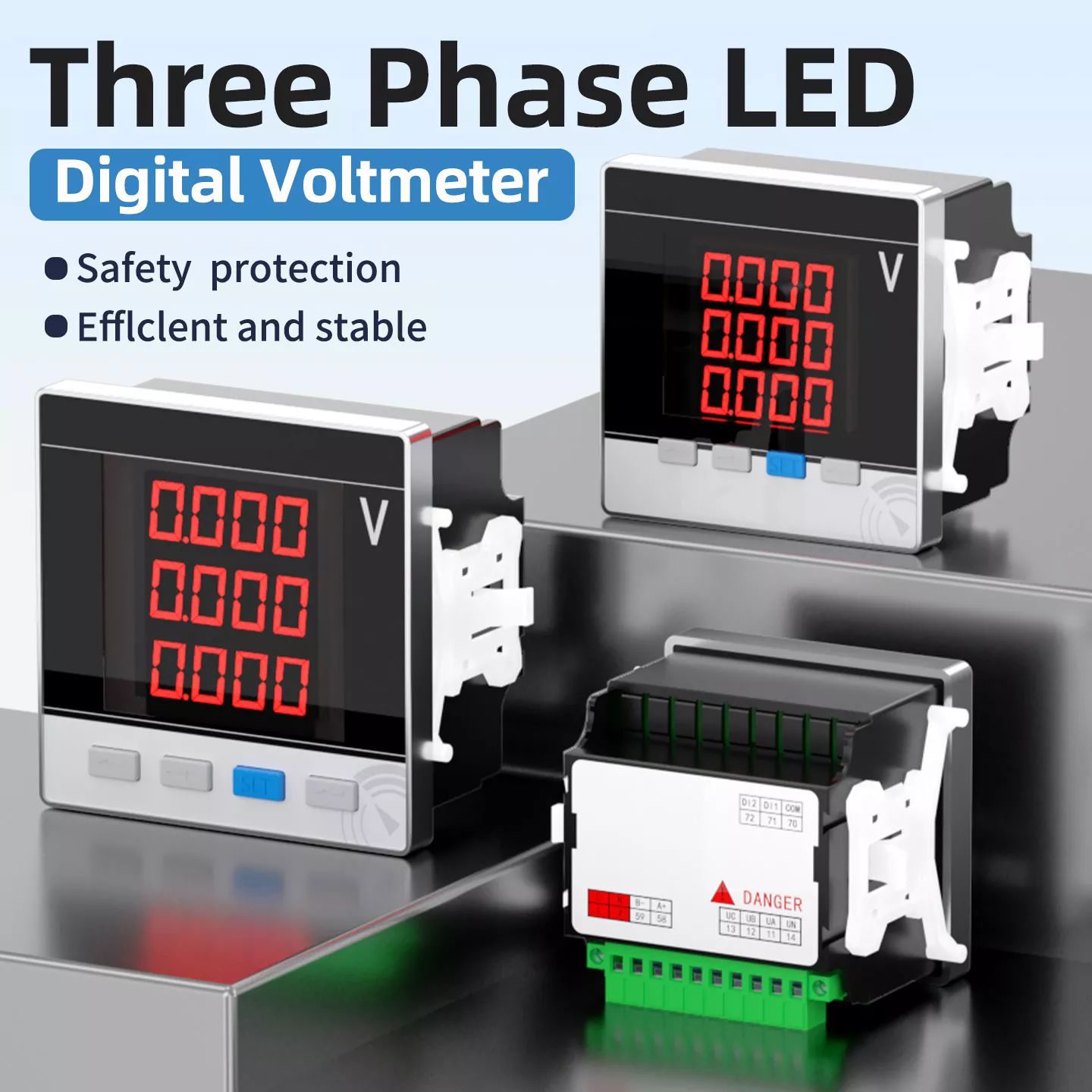
Table of Contents
- Introduction
- Working Principle of LED Digital Display Instruments
- Key Benefits for Businesses
- Applications in Various Industries
- Tips for Selecting the Right Instrument
- Installation and Maintenance Guidelines
- Frequently Asked Questions (FAQ)
- Conclusion
Introduction
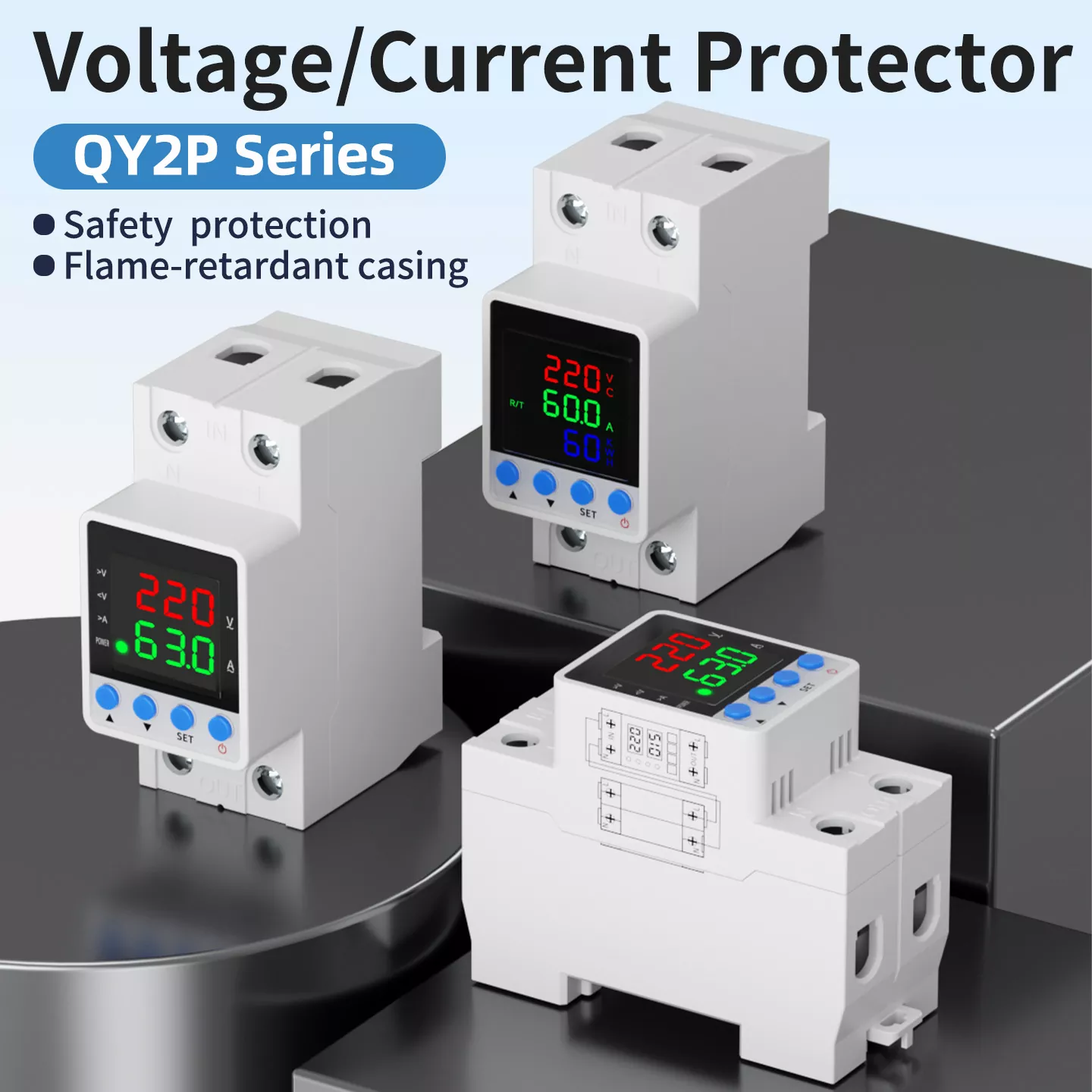
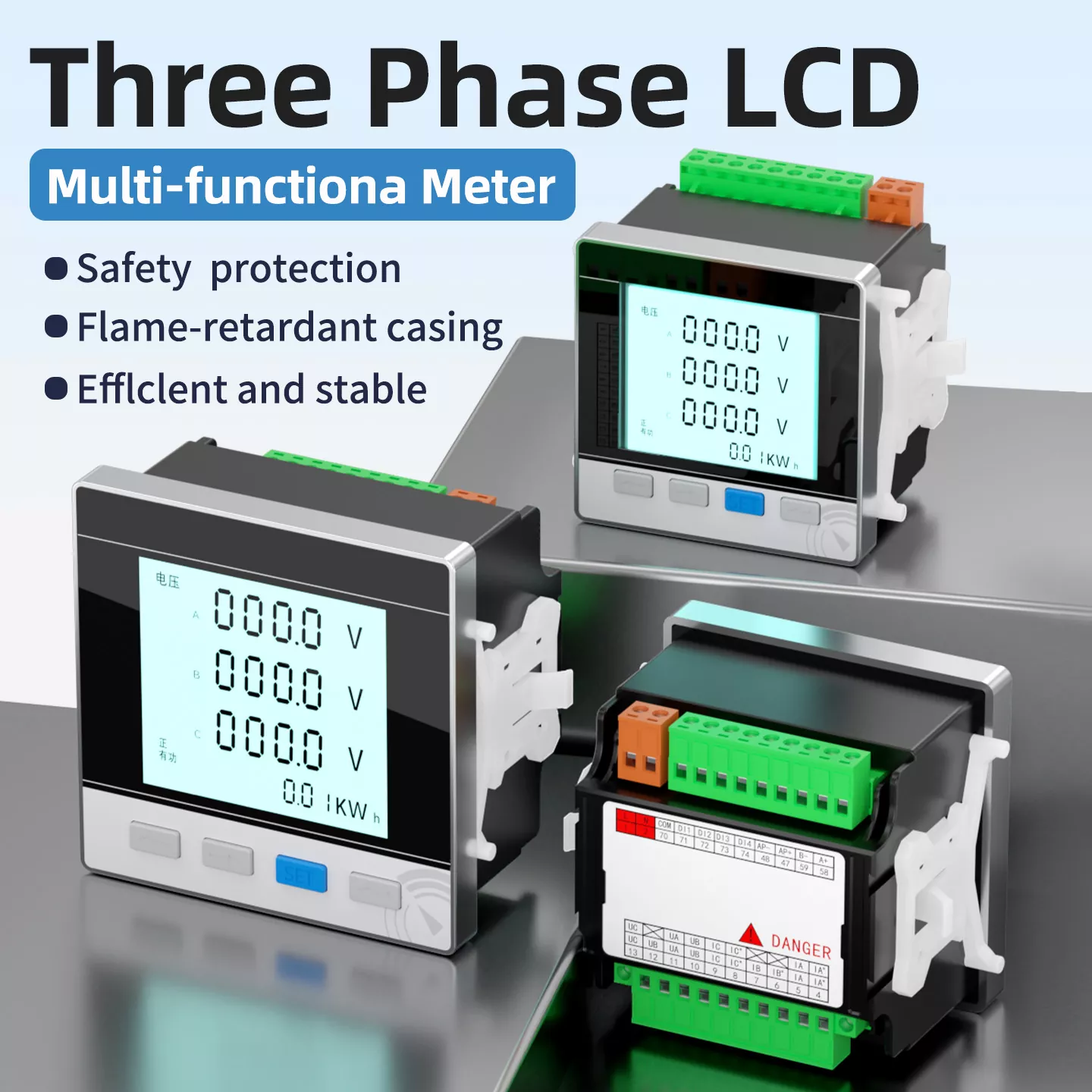
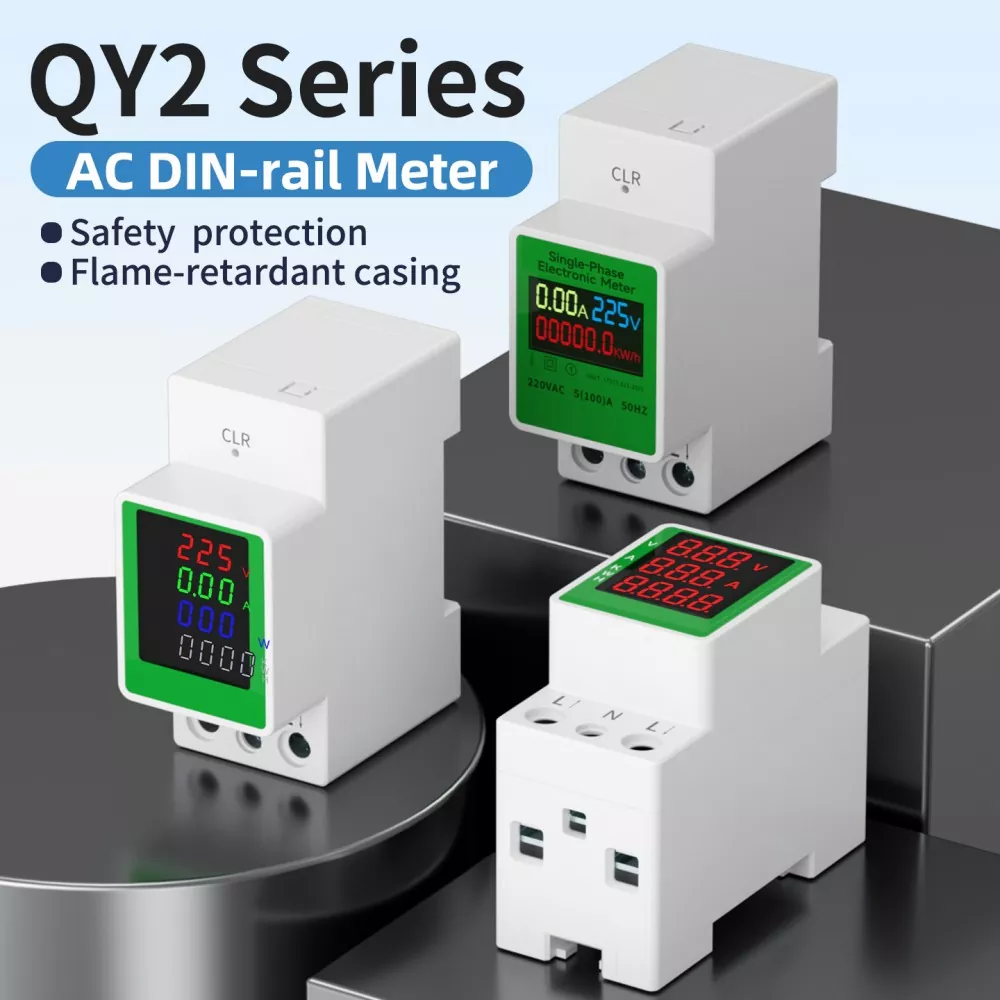
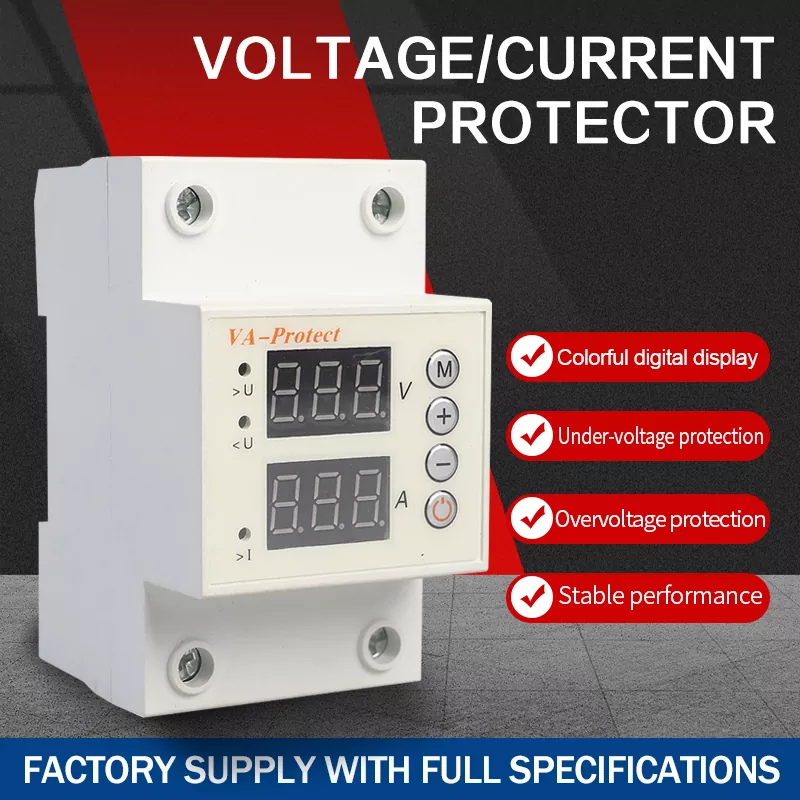
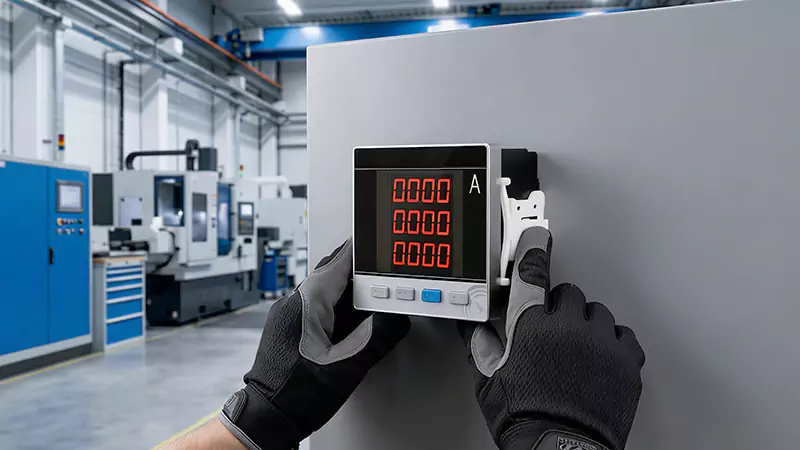
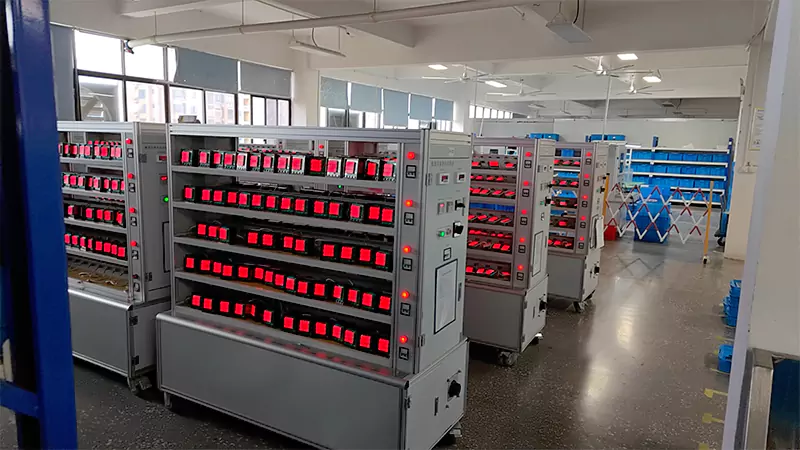
LED Digital Display Instruments are widely used in industrial and commercial electrical systems to provide real-time data monitoring and visualization. Unlike traditional analog meters, LED displays offer high visibility, precision, and flexibility. Companies like Eton have pioneered advanced designs that integrate seamlessly into modern control panels, ensuring reliability and user-friendly operation.
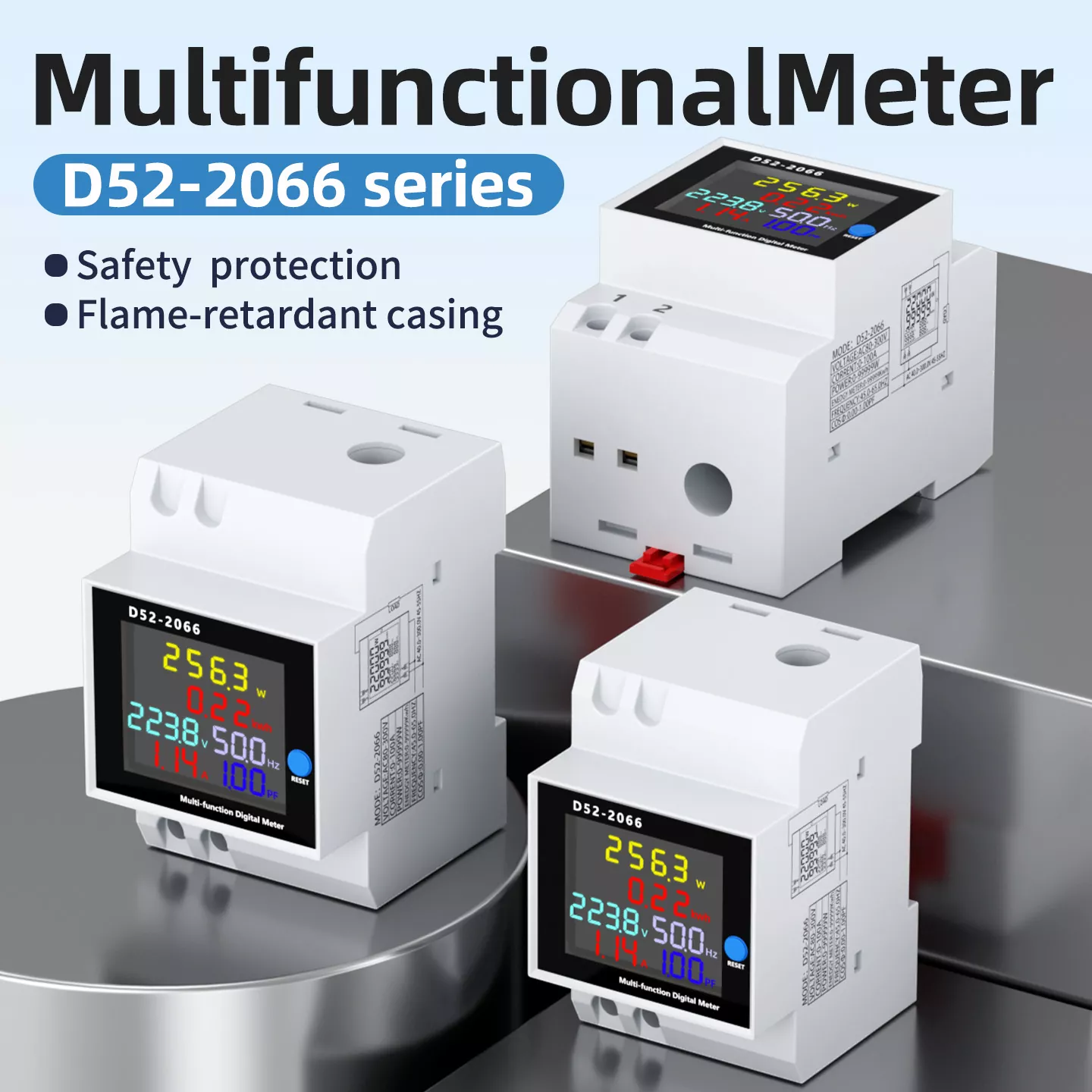
These instruments are designed to present critical electrical parameters such as voltage, current, power factor, frequency, and energy consumption. With rapid data updates and clear LED readouts, operators can detect anomalies quickly, preventing downtime and potential damage to equipment.
Working Principle of LED Digital Display Instruments
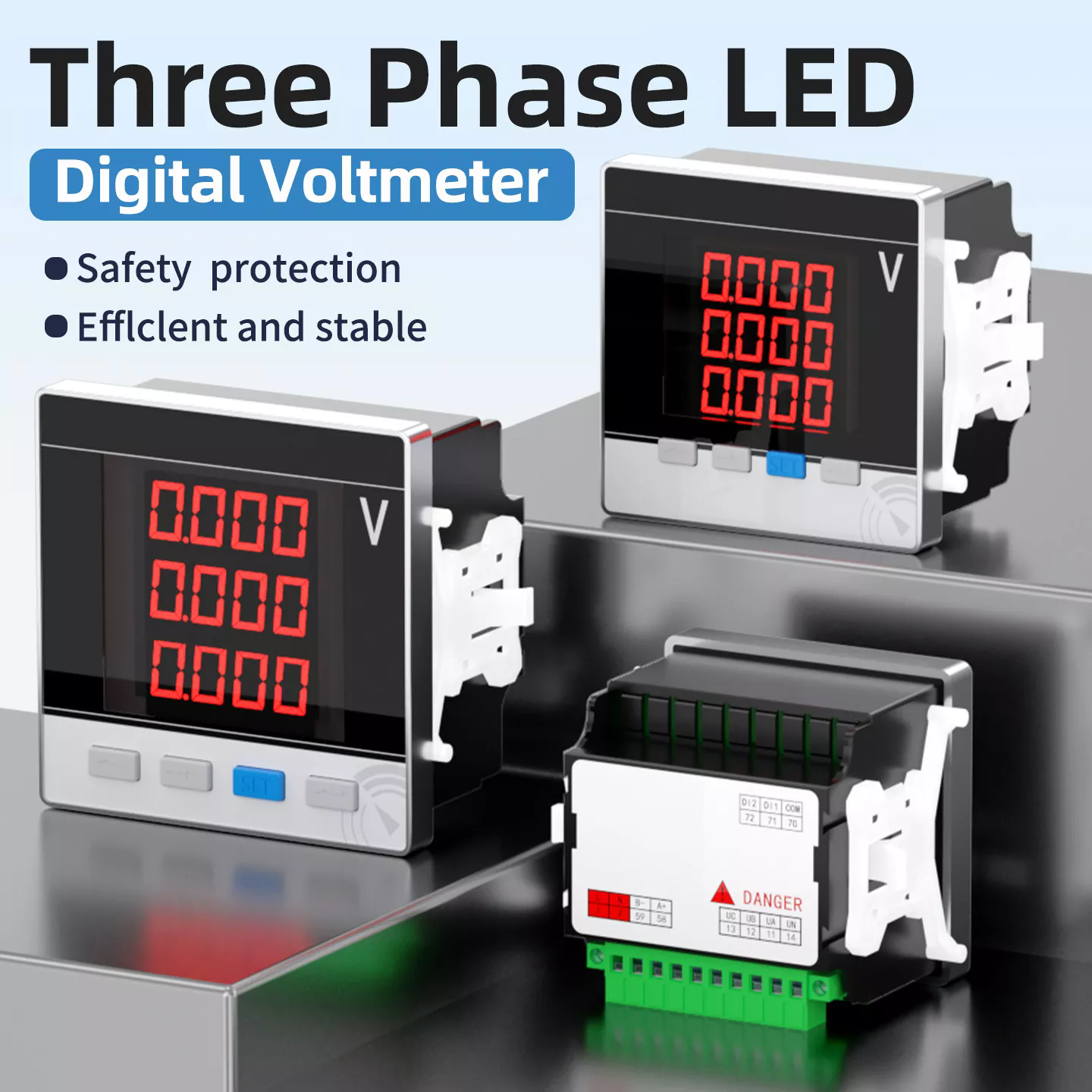
LED Digital Display Instruments operate based on a combination of sensors, microcontrollers, and LED modules. The sensors measure electrical parameters from the circuit, while the microcontroller processes the input and converts it into a readable digital format displayed on the LED screen.
Key components include:
- Voltage and Current Sensors: Detect electrical values accurately.
- Microcontroller: Converts analog signals to digital and drives the LED display.
- LED Display Module: Provides a clear, bright, and easy-to-read interface.
- Control Buttons (Optional): Allow configuration and parameter selection.
These instruments often feature real-time updates, alarm thresholds, and memory functions, enabling users to maintain optimal system performance.
Key Benefits for Businesses
Integrating LED Digital Display Instruments into your electrical system offers several advantages:
| Benefit | Description |
|---|---|
| Enhanced Accuracy | Digital readings minimize human error compared to analog meters. |
| High Visibility | Bright LED displays are readable from a distance, improving operational efficiency. |
| Quick Troubleshooting | Real-time monitoring helps detect faults before they escalate. |
| Energy Efficiency | Displays power consumption patterns, aiding in energy management. |
| Integration Flexibility | Can be installed in panels, meters, or standalone units to suit different layouts. |
Applications in Various Industries
LED Digital Display Instruments are versatile and suitable for multiple sectors, including:
- Industrial Manufacturing: Monitor motors, generators, and production lines.
- Energy Management: Track power consumption in commercial buildings.
- Renewable Energy: Solar and wind systems use these instruments for real-time monitoring.
- Data Centers: Ensure electrical stability to prevent server downtime.
- Healthcare Facilities: Critical for reliable operation of medical equipment.
Tips for Selecting the Right Instrument
When choosing an LED Digital Display Instrument, consider the following:
- Parameter Requirements: Identify which electrical values you need to monitor.
- Display Size: Ensure readability in your operational environment.
- Accuracy Class: Higher precision is crucial for critical applications.
- Connectivity Options: Look for models supporting communication protocols if remote monitoring is needed.
- Durability: Verify resistance to temperature, humidity, and dust.
Companies like Eton offer customized solutions to match specific operational needs, ensuring long-term reliability.
Installation and Maintenance Guidelines
Proper installation and maintenance are essential for optimal performance:
- Follow manufacturer instructions carefully to avoid damage.
- Ensure proper wiring and grounding to prevent electrical interference.
- Regularly clean the display surface for clear visibility.
- Check calibration periodically to maintain measurement accuracy.
- Inspect connections and sensors to prevent drift or failure.
Frequently Asked Questions (FAQ)
- Q1: Can LED Digital Display Instruments measure multiple parameters simultaneously?
- Yes, many models can display voltage, current, power factor, and frequency simultaneously.
- Q2: How long is the lifespan of an LED display instrument?
- High-quality LED instruments, like those from Eton, can last over 50,000 hours under normal operating conditions.
- Q3: Are these instruments compatible with renewable energy systems?
- Yes, they are widely used in solar, wind, and hybrid systems for accurate energy monitoring.
- Q4: Can they be integrated into remote monitoring systems?
- Many LED instruments feature communication options such as Modbus or RS485 for integration into SCADA systems.
Conclusion
LED Digital Display Instruments are a vital tool for modern electrical monitoring. They provide precise, real-time data, improve operational safety, and enhance energy management. By selecting high-quality instruments and following proper installation guidelines, businesses can significantly improve system performance.
For reliable, high-precision LED Digital Display Instruments tailored to your needs, Eton offers a range of advanced solutions. Explore our products and contact us today to enhance your electrical systems.
Related News
- How Can a Single Phase Guide Rail Electricity Meter Improve Energy Management Efficiency?
- How Does a Rail Mounted Measuring Instrument Improve Electrical Monitoring and Energy Management?
- How to read the readings of a single-phase rail-mounted electricity meter
- How to adjust the parameters of a three-phase digital ammeter
Leave me a message